logo
Shenzhen Jnicon Technology Co., Ltd.

심천 Jnicon 기술 Co., 주식 회사.

직업적인 방수 연결관 제조자

제품
회사 소개
공장 여행
품질 관리
문의하기
견적 요청
Blog
블로그

Robust Waterproof Connectors Enhance Reliability in Harsh Environments

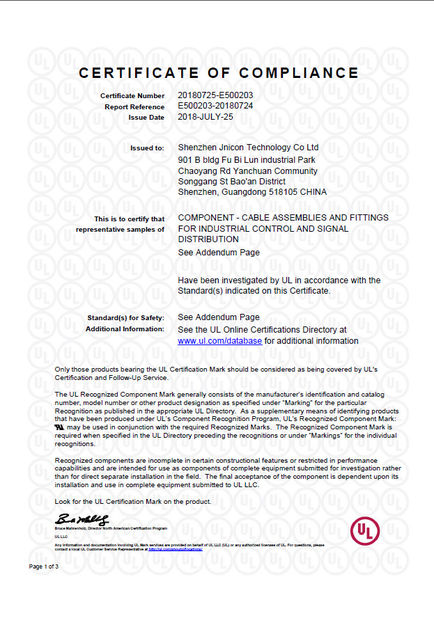
중국 Shenzhen Jnicon Technology Co., Ltd. 인증
AAA+ 공급자, 우수한 커뮤니케이션 및 판매 지원, 우리는 다시 사업할 것입니다. 늦은 순서 조정을 위한 Carly Lu에게 특별한 감사. 안부를 전하며 이만 줄입니다., Quinton Dan Krynie

—— Quinton Dan Krynie

안녕 Carly, 케이블은 최고 입니다! 적합했던 모든 연결관은, 모두 중대한 질이고 나는 그 순서에 완전히 행복합니다! 당신 직업적 각 공급자가 인 경우에 Jnicon는 나의 일 두번 처럼 다량 재미는일 것입니다:) 따라서 그러나 다시: 우리는 jnicon를 가진 우리의 미래 케이블을 다는 순서를 모든 하고 나는 당신과 - 훌륭한 일을 일하게 아주 행복합니다.

—— Florian

우리의 프로젝트에 당신의 도움을 위한 감사합니다는 저희에게 직업적인 제안, 그것을 아주 잘 끝났습니다 줍니다. 당신을 감사하십시오!

—— Maykon 일라이어스

Jnicon는 직업적인 회사이고 저희가 적당한 해결책, 당신의 끈기를 위한 감사를 찾아낼 것을 돕습니다.

—— Linda

제가 지금 온라인 채팅 해요
회사 블로그
Robust Waterproof Connectors Enhance Reliability in Harsh Environments
에 대한 최신 회사 뉴스 Robust Waterproof Connectors Enhance Reliability in Harsh Environments

When equipment operates in damp, dusty, or frequently washed environments, the reliability of electrical connections becomes paramount. Even microscopic moisture or dust particles can silently corrode metal contacts, causing intermittent failures and costly unplanned downtime. From outdoor lighting systems and marine navigation to vehicle operations and automated production lines, every connection must remain rock-solid against environmental interference. This is where waterproof electrical connectors prove indispensable—delivering ultimate solutions for stable power and signal transmission under extreme conditions.

Understanding Waterproof Connectors: Why They Matter

Waterproof electrical connectors, as the name suggests, are designed to maintain secure electrical connections between devices while preventing infiltration from moisture, dust, and other environmental factors. Through precision-engineered seals, gaskets, and O-rings, they effectively block humidity, eliminating risks of corrosion, intermittent faults, and unexpected system failures. Their IP (Ingress Protection) ratings—such as IP67, IP68, and IP69K—serve as certified proof of performance under extreme conditions, making them essential components for outdoor lighting, marine engineering, automotive manufacturing, and industrial automation.

This article examines the working principles of waterproof connectors, deciphers IP protection standards, details critical sealing and locking technologies, and provides comprehensive selection guidelines to match specific equipment needs with environmental challenges.

Key Highlights:
  • Core Value: How waterproof connectors protect equipment and when they become indispensable.
  • IP Ratings Explained: In-depth understanding of IP protection levels, especially IP67, IP68, and IP69K applications.
  • Technical Essentials: Material selection, sealing techniques, and locking mechanisms that build reliability.
  • Selection Guide: A detailed checklist covering voltage, current, environmental conditions, and other critical factors.
  • Applications: Typical use cases across outdoor, marine, medical, and industrial automation sectors.
How Waterproof Connectors Work: Uncompromising Protection

The design philosophy of waterproof electrical connectors centers on creating an impenetrable barrier between connection points through physical structure and material properties. High-quality rubber or silicone seals—excellent electrical insulators—form tight waterproof barriers when compressed against metal panels or mating components. This prevents moisture from reaching internal contact areas, maintaining stable connections and signal integrity even under splashing, condensation, or temporary submersion. In marine and transportation applications where moisture exposure is constant, these connectors serve as lifelines for uninterrupted operation.

Market Varieties: Meeting Diverse Needs

Waterproof connectors come in multiple configurations to address different technical requirements and environmental exposures. Selection depends on voltage, signal integrity, and environmental factors.

1. Circular Connectors: Compact, Versatile, High-Performance

Circular connectors dominate industrial automation, sensors, and robotics due to their space-efficient design and universal compatibility. They excel in applications requiring frequent mating cycles without compromising signal quality.

  • Common Specifications: M8, M12, and M23 series accommodating varying current loads and pin configurations.
  • Advantages: Superior sealing, flexible contact arrangements, and easy installation in confined spaces.
  • Protection Levels: Typically IP67 or IP68 rated—resistant to dust ingress and temporary/continuous submersion.
2. Rectangular/Square Connectors: High-Density, Modular, Rugged

Rectangular connectors are preferred for power distribution and control panels requiring high pin counts or modular designs. Their flat profiles accommodate more contacts within limited spaces.

  • Key Features: High contact density, modular inserts, and durable housings (polyamide or aluminum alloy).
  • Protection: Ranges from IP65 to IP69K depending on sealing and housing design.
  • Durability: Robust construction withstands intense vibration and mechanical stress, often incorporating cable clamps and strain relief.
3. Data Connectors (USB, Ethernet): Reliable Outdoor Data Transmission

Standard USB or Ethernet ports perform well indoors but falter outdoors. Waterproof data connectors maintain transmission stability while blocking rain, splashes, and condensation.

  • Protection Mechanisms:
    • Sealed housings (plastic, zinc alloy, or stainless steel) for corrosion resistance.
    • Rubber O-rings and gaskets sealing critical junctions.
    • Protective caps and threaded locking for additional barriers.
    • EMI shielding for stable high-speed signals in RJ45/HDMI interfaces.
Decoding IP Ratings: From IP67 to IP69K

Understanding IP (Ingress Protection) ratings is crucial for selecting appropriate waterproof connectors. This international standard (IEC 60529) quantifies protection against solids (e.g., dust) and liquids (e.g., water).

IP Rating Structure

IP codes consist of two digits:

  • First Digit: Solid particle protection (higher = better).
  • Second Digit: Liquid ingress protection (higher = better).

For waterproof connectors:

  • IP67: Temporary immersion (1 meter depth for 30 minutes).
  • IP68: Extended/deeper immersion (specifics defined by manufacturer).
  • IP69K: High-pressure, high-temperature spray resistance.
Important Considerations
  • IP ratings typically apply only when connectors are fully mated.
  • Protective caps/sealing plugs maintain ratings in unmated conditions.
  • Some premium circular connectors maintain IP ratings even unmated—verify specifications.
Waterproof vs. Weatherproof: Key Differences

"Weatherproof" generally indicates resistance to rain and outdoor exposure, while "waterproof" has defined IP test standards. Always prioritize IP ratings over marketing terms for quantifiable protection.

Selection Guide: Critical Factors
1. Application Compatibility

Match connectors to equipment needs and operating environments. Outdoor lighting requires weather-resistant connectors, while marine electronics need saltwater corrosion protection.

2. IP Rating Alignment

Select IP levels based on actual exposure (splashes, immersion, or high-pressure sprays). Neglecting this may lead to failures and costly repairs.

3. Materials and Design
  • Plastic: Lightweight, cost-effective, chemical-resistant—ideal for moderate conditions.
  • Metal: Superior corrosion resistance for harsh industrial/marine environments.
4. Industry Certifications

Verify compliance with relevant standards (UL, ISO, CE) for added reliability assurance.

Specification Checklist
Specification Verification Points
IP Rating Level, mated/unmated conditions, immersion depth/duration (IP68)
Current/Voltage Ratings for specific contact configurations
Contact Count Current needs + future expansion
Cable Range Supported outer diameters (OD) and conductor sizes
Panel Interface Cutout dimensions and sealing requirements
Coupling Type Threaded, bayonet, push-pull, or latch mechanisms
Materials/Plating Corrosion/UV resistance
Temperature Range Operational limits vs. field conditions
Reliability Foundations
1. High Current/Voltage Tolerance

Gold-plated contacts minimize oxidation, while locking mechanisms (threaded, bayonet, etc.) prevent accidental disconnections.

2. Robust Materials

High-grade plastics (polycarbonate, PBT) and metals (stainless steel, aluminum) with anti-corrosion coatings ensure longevity under stress.

Applications
1. Industrial Automation

Waterproof connectors maintain signal integrity for PLCs, robots, and sensors in washdown or dusty environments.

2. Medical Technology

Critical for mobile medical equipment exposed to liquids and disinfectants.

3. Lighting & Electronics

Essential for outdoor LED displays, marine lighting, and transportation systems facing harsh weather.

FAQ
Are all waterproof connectors submersible?

No. Some resist only splashes or brief immersion. Always check IP ratings and manufacturer specifications.

Which connector is best for outdoor use?

Select based on exposure levels, UV resistance, and coupling mechanisms that prevent partial disengagement.

What does IP68 mean?

It exceeds IP67 immersion protection, but depth/duration parameters vary by manufacturer.

Waterproof vs. weatherproof?

"Weatherproof" is a general term; IP ratings provide measurable standards.

Conclusion

Choosing waterproof electrical connectors ultimately asks: Can your systems afford compromises in reliability, safety, or performance under duress? These components not only shield against environmental threats but also enhance efficiency and reduce long-term maintenance costs—proving indispensable for operations in demanding conditions.

선술집 시간 : 2026-08-22 00:00:00 >> 블로그 목록
연락처 세부 사항
Shenzhen Jnicon Technology Co., Ltd.

담당자: Ms. Carly Lu

전화 번호: +86 15986694303

회사에 직접 문의 보내기 (0 / 3000)

+8615986694303